
How to Choose the Right Website Color Palette for Your Business


Your website’s color palette is one of the first things visitors notice. Before they read a headline or click a button, they’ve already formed an impression based on your colors.
Choosing the right colors for your website design isn’t simply about selecting colors you personally like. Every color communicates emotion, influences perception, and helps shape how people experience your brand. When your colors align with your business, they create trust, reinforce your message, and encourage visitors to take action.
Whether you’re launching a new business or refreshing an existing website, understanding how color affects user behavior can help you create a stronger online presence.


Why your website color palette is important
Studies have shown that people form opinions about a website within seconds of arriving. While layout, typography, and imagery all contribute to that first impression, color often has the greatest emotional impact.
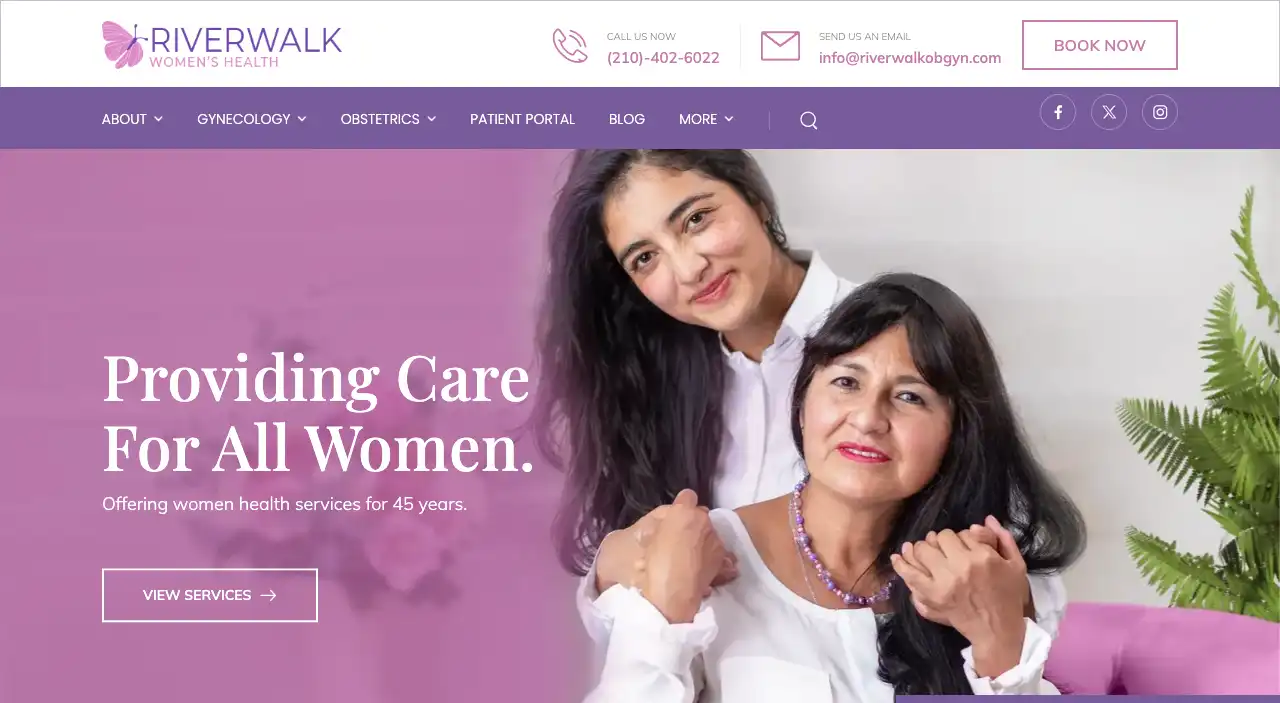
A thoughtfully designed website color palette can improve readability and accessibility, and strengthen brand recognition. It can also build credibility and trust, draw attention to important calls-to-action, and create an emotional connection with your audience. When your website colors have a positive impact on your visitors, it encourages them to stay longer on your website. Conversely, using inconsistent or poorly matched colors can make even the most professional business appear unorganized or outdated.
The psychology behind color
Color psychology explores how different colors influence emotions and decision-making. Although personal experiences and cultural backgrounds can affect how colors are interpreted, certain associations are widely recognized in marketing and web design.
Here are a few common examples:
- White – Simplicity, cleanliness, clarity
- Black – Sophistication, elegance, authority
- Purple – Luxury, wisdom, imagination
- Yellow – Optimism, happiness, creativity
- Orange – Confidence, friendliness, enthusiasm
- Red – Energy, passion, urgency, excitement
- Green – Growth, health, nature, sustainability
- Blue – Trust, reliability, professionalism, security
But the goal isn’t to choose colors based solely on psychology but to select colors that genuinely represent your brand and appeal to your ideal audience.
Build your color palette around your brand
Your website should reflect your brand rather than current design trends. So, before selecting colors, the answers to these questions. For example, what emotions do I want customers to feel and who is my ideal client? What makes my business different and what is my brand’s personality?
A CPA firm may benefit from calming blues and soft greens that inspire confidence and financial growth. On the other hand, while a children’s boutique may use brighter, playful colors to create excitement. A luxury service business often benefits from a more refined palette with deep neutrals and subtle accent colors. In other words, every business is different, and your color choices should support your unique brand identity.
Focus on a simply color palette
Many small businesses, particularly DIY websites, use too many colors throughout their website. A professional website generally uses one primary color, two secondary colors (sometimes, just one), one accent color for buttons or important elements. And neutral colors for backgrounds which are simply lighter or darker shades of the primary color.
This creates visual consistency while making your content easier to read and navigate. Remember, whitespace is also an important part of your color palette. Giving your content room to breathe helps visitors focus on what matters most.
Let colors guide visitors
When it comes to directing attention, color is one of the most effective visual tools. Strategically using accent colors can naturally guide visitors toward your call-to-action. For example, your special offers, phone numbers, appointment scheduling, quote requests, or contact forms.
The key is don’t make every element bright and attention-grabbing. Instead, reserve your accent color for the actions you want visitors to take. This not only creates a clear visual hierarchy, but also improves overall user experience.
Make content accessible
A beautiful, seo optimized website should also be easy for everyone to use. Choosing colors with sufficient contrast makes text easier to read and helps visitors with visual impairments navigate your website more comfortably. Accessibility is about creating a better experience for every visitor.
Your colors should be cohesive
Consistency builds recognition. Your website color palette should complement your logo, marketing materials, social media graphics, business cards, and printed materials. When your branding feels cohesive across every platform, your business appears more professional and memorable.
Key takeaways
Choosing the right website color palette involves more than aesthetics. It’s a strategic decision that influences how customers perceive your business, interact with your website, and ultimately decide whether to work with you.
The right combination of colors can strengthen your brand, improve usability, and increase conversions by creating an experience that feels both professional and trustworthy. Does your current website accurately reflect your business? If not, taking the time to develop a unified color palette is one of the best investments you can make.
At Envisager Studio, we create custom WordPress websites designed to reflect your brand, connect with your ideal audience, and help your business grow. If you’re ready for a website that looks professional and performs even better, we’d love to help. Get a website consultation today.
You may also enjoy reading: Professional web design vs DIY website

Hazel Burgess
FOUNDER/SEO DIRECTOR
Hazel is the Founder & SEO Director at Envisager Studio, a premier website design agency specializing in WordPress website design, development and internet marketing. In her spare time, she writes about search engine optimization, website design, and internet marketing.
Related Posts